Whether it’s a game-day announcement in a packed stadium, a keynote presentation at a conference, a public meeting at city hall, or an emergency notification in a crowded venue, organizations have one fundamental responsibility: ensuring every guest can access important information.
For years, accessible communication has often been viewed through the lens of compliance—a requirement to satisfy regulations or reduce legal risk. While meeting accessibility obligations remains essential, many organizations are beginning to recognize that accessible communication is about much more than checking a box.
Today, leading organizations are shifting their mindset. They’re moving beyond compliance and toward confidence: confidence that every guest can participate, every message is delivered effectively, and every event reflects their commitment to inclusion.
Accessibility is more than a legal obligation
Accessible communication has become an expectation, not an exception.
In the United States, the Americans with Disabilities Act (ADA) requires organizations to provide effective communication for individuals with disabilities. For venues, educational institutions, government agencies, and many corporate environments, that means ensuring announcements, presentations, and critical information are accessible to everyone. Including guests who are deaf or hard of hearing.
But accessibility extends far beyond legal requirements.
Visible communication benefits people in noisy environments where audio can be difficult to hear. It helps guests whose first language isn’t English follow presentations more easily. It provides clarity during fast-paced events and creates a more welcoming experience for everyone.
The question organizations are increasingly asking isn’t simply, “Are we compliant?” It’s, “Are we communicating effectively with every guest?”
That’s an important distinction.
Confidence comes from reliable communication
Guests don’t think about accessibility technology. They simply expect to receive the same information as everyone else.
Whether announcing a lineup change before kickoff, introducing a keynote speaker, or communicating important safety information, organizations need confidence that every message reaches every audience member.
Reliable communication means knowing that:
- Important announcements are visible to everyone.
- Emergency messages can be communicated quickly and clearly.
- Accessibility is consistently available across every event.
- Staff can focus on delivering exceptional experiences instead of worrying about communication gaps.
When accessibility becomes a dependable part of everyday operations, organizations gain confidence that they’re serving every guest, not just meeting minimum requirements.
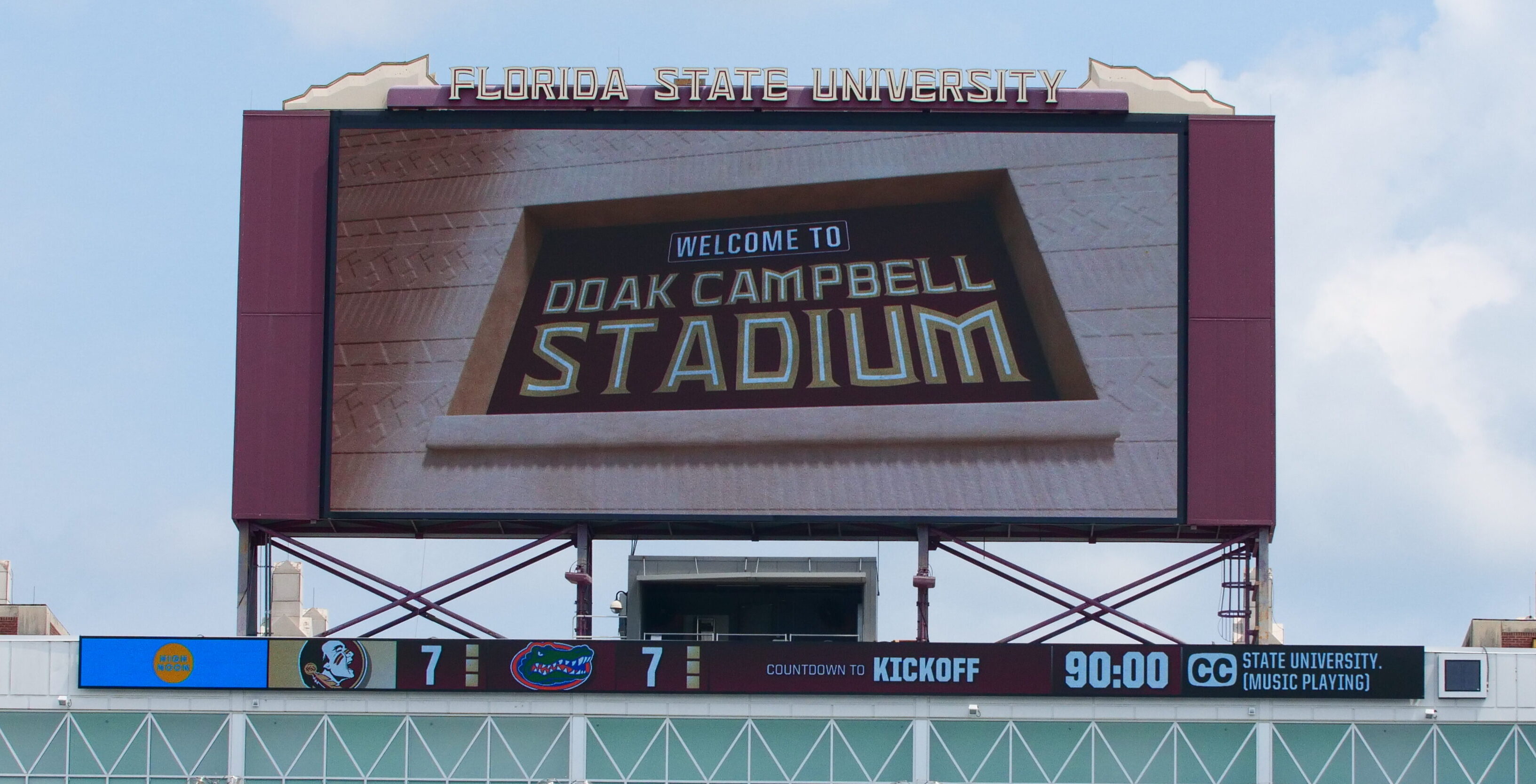
Accessibility shouldn’t create operational complexity
Historically, providing live captioning often came with significant operational challenges.
Organizations frequently relied on scheduled human stenographers, coordinated multiple vendors, managed specialized workflows, and incurred substantial costs to ensure captions were available. Even with careful planning, unexpected scheduling conflicts or last-minute event changes could introduce unnecessary stress.
These barriers sometimes led organizations to reserve live captioning only for select events rather than making it a consistent part of every guest experience.
Fortunately, accessible communication no longer has to be difficult to implement.
Modern captioning solutions have made it possible to simplify deployment, reduce operational complexity, and integrate accessibility into everyday event workflows. Instead of treating captioning as a special project, organizations can make it part of how they communicate every day.
A new standard for guest experience
The organizations leading the way are no longer viewing accessibility as a reactive obligation. They’re embracing it as part of delivering exceptional guest experiences.
Accessible communication reinforces an organization’s values. It demonstrates a commitment to inclusion, strengthens trust with communities, and helps ensure that every guest can participate fully in live experiences.
Perhaps most importantly, it gives event teams confidence that when critical moments arise—whether celebratory, informative, or urgent—their message reaches everyone who needs it.
As expectations continue to evolve, confidence is becoming the new standard.
Supporting the shift toward confident communication
As organizations continue to raise the standard for accessibility, they need solutions that support both their communication goals and their operational realities.
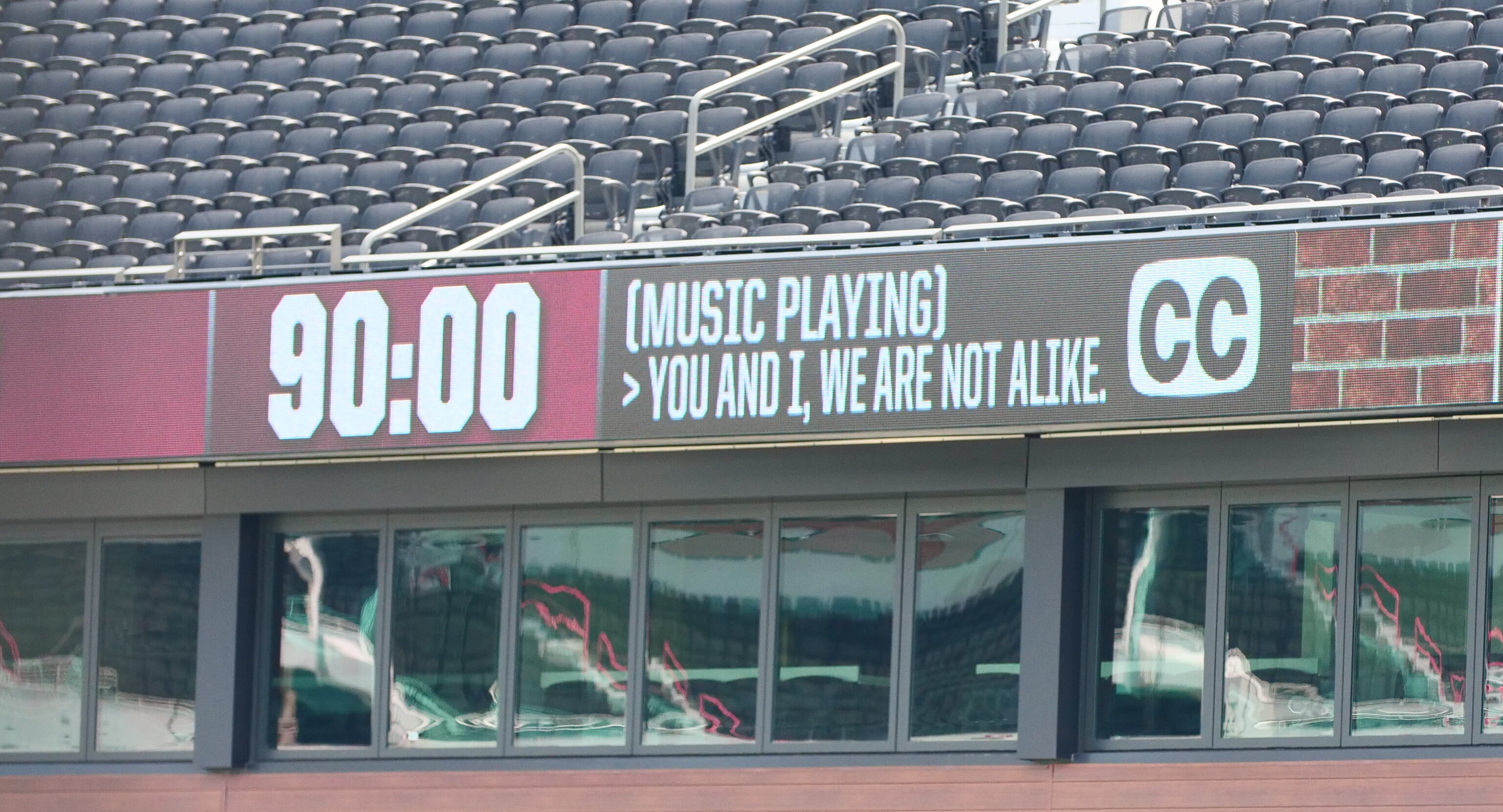
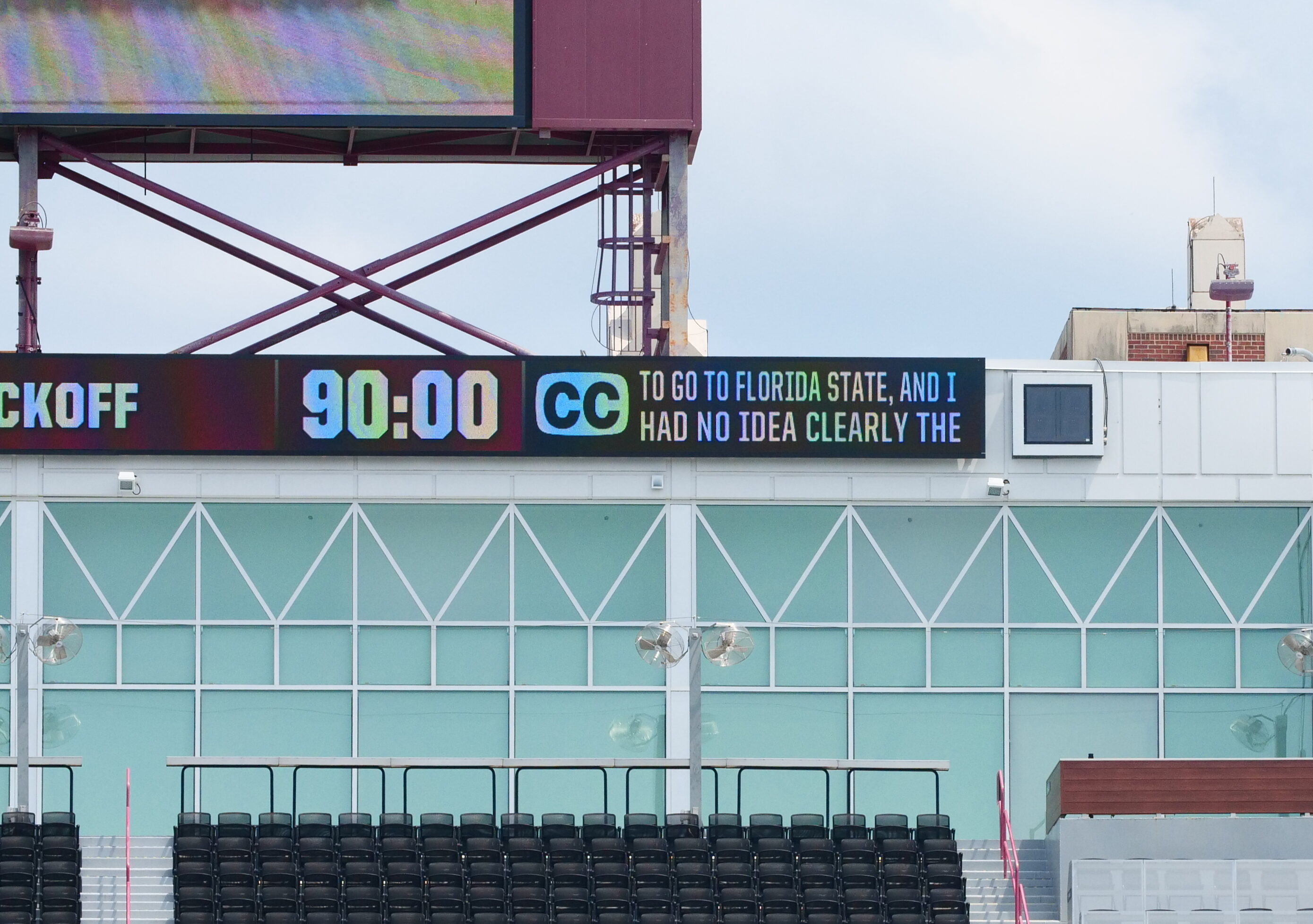
That’s why Rocket Surgery, a worldwide team of creatives and technologists dedicated to helping organizations get the most from Ross solutions developed CapGo—a live, ADA-compliant captioning solution designed specifically for venues and public spaces. By removing much of the complexity traditionally associated with live captioning, CapGo helps organizations make accessible communication a seamless part of everyday operations, rather than a special accommodation.
Whether supporting game-day announcements, conference presentations, public meetings, or emergency messaging, CapGo gives organizations the confidence that every guest can access the information that matters most.
Because the future of accessibility isn’t just about meeting requirements, it’s about creating experiences where everyone can participate, engage, and feel included.
Learn how CapGo helps organizations deliver accessible communication with confidence by downloading the CapGo Brochure.